


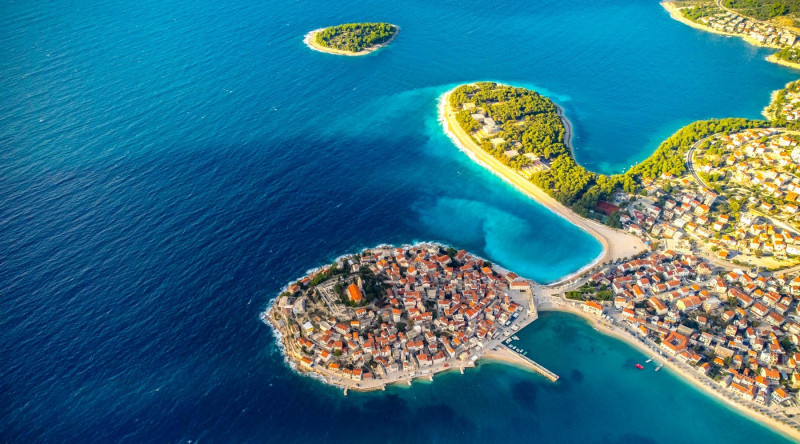
Legal process, taxes and key steps for international buyers buying property in Croatia
Croatia has become one of the most attractive lifestyle and investment destinations in Europe. EU membership, the euro, Schengen access and long term political stability have significantly increased interest from international buyers.
From second homes on the coast to long term lifestyle bases, Croatia is increasingly viewed as a safe and accessible property market within the European Union.
For foreign buyers considering a purchase, the process is clear when properly guided. However, legal clarity, due diligence and experienced local support remain essential.
This guide outlines how the process works today.
Who can buy property in Croatia
Citizens of European Union and EEA countries can purchase property in Croatia under the same conditions as Croatian citizens. No special approvals are required.
Buyers from non EU countries can also purchase property, but the process depends on reciprocity agreements between Croatia and their home country. In many cases, approval from the Ministry of Justice is required. This is an administrative procedure and typically takes several months.
Where reciprocity does not exist, property can still be acquired through a Croatian registered company structure.
Croatia is expected to join the OECD in the coming years, which is likely to further simplify purchasing for many international buyers and increase long term market accessibility.
Step one: property due diligence
Before signing any agreement, a full legal and technical review of the property is essential.
This typically includes:
- land registry ownership verification
- checking for encumbrances or liens
- building and usage permits
- zoning and planning compliance
- energy certificate
- developer documentation for new builds
This phase protects the buyer from legal and financial risk and should always be conducted by a qualified legal and real estate team.
Step two: reservation and purchase agreement
Once due diligence is complete, the next step is signing a preliminary agreement or purchase contract.
A deposit of around 10 percent of the purchase price is standard.
If the buyer withdraws without valid reason, the deposit is typically forfeited.
If the seller withdraws, they must return the deposit in double amount.
The contract must be notarised for it to be legally valid.
Step three: payment and registration
After the final contract is signed and all conditions are met, the remaining balance is paid. Ownership is then registered in the Croatian land registry, which represents the final legal confirmation of ownership.
Croatia operates a transparent and secure public registry system, providing a high level of legal certainty.
Taxes and transaction costs
Property transfer tax in Croatia is 3 percent of the purchase price and is paid by the buyer when VAT is not already included.
New developments sold by companies may include VAT instead of transfer tax.
Additional costs typically include:
- agency fee
- notary fees
Standard legal coordination is typically handled within the transaction process, while complex legal matters may require additional legal counsel.
All costs should be clearly outlined before the transaction begins.
Annual holding costs
Annual property tax in Croatia is determined by the local municipality and typically ranges from approximately €0.60 to €8.00 per m2 per year, depending on the location.
In prime coastal municipalities, annual property tax commonly ranges between €5 and €8 per m2 per year.
Additional ongoing costs may include:
- utilities
- building maintenance or service charges
- property management fees, if applicable
Holding costs in Croatia remain moderate compared to many Western European markets.
Why professional guidance matters
While the legal process itself is structured and transparent, foreign buyers benefit significantly from local expertise.
A professional real estate advisor and legal partner will:
- verify documentation
- manage negotiations
- coordinate legal steps
- protect against overpaying
- ensure a smooth closing
For international buyers, the objective is not only to purchase property, but to purchase correctly and securely.
Long term ownership considerations
Ownership includes ongoing responsibilities such as property maintenance, local taxes, rental regulations and management.
Buyers planning rental income should understand licensing and tax obligations in advance.
Croatia allows both EU and non EU owners to rent out property, subject to local registration requirements. Gross rental yields vary by micro location and rental strategy. In established coastal destinations, long term rentals typically range between 3% and 5%, while well managed short term rentals may range between 4% and 6%, subject to seasonality and operating costs. Rental strategy should always be evaluated case by case.
For lifestyle buyers, Croatia offers strong long term value as a stable European base with high quality of life, safety and international accessibility.
Currency and financing
Croatia is part of the Eurozone and all real estate transactions are conducted in EUR via bank transfer.
Croatian banks may provide financing to EU and selected non EU investors, subject to internal credit policies.
Many international buyers complete transactions using own funds, while leverage is used selectively.
Conclusion
Croatia continues to position itself as one of Europe’s most attractive and accessible real estate markets for international buyers.
When guided by the right professionals, the process is secure, transparent and predictable. With proper due diligence and a clear long term strategy, purchasing property in Croatia can be both a lifestyle decision and a sound investment.
For many international buyers, the first step is not viewing properties.
The first step is understanding the market, the process and the risks.
That is where real advisory value begins.
If you are considering buying property in Croatia, you can contact our advisory team here.
For buyers also considering property outside Croatia, see our international investment guide.


